
博客
Manufacturer & Source Factory of drum filters for koi ponds
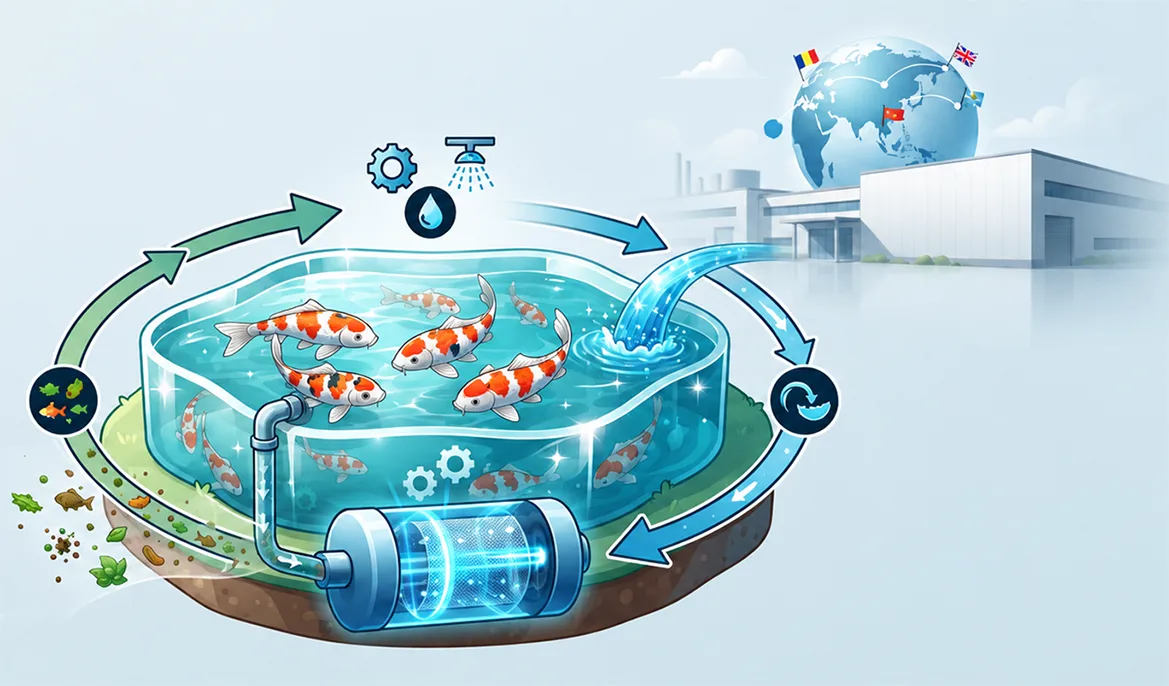
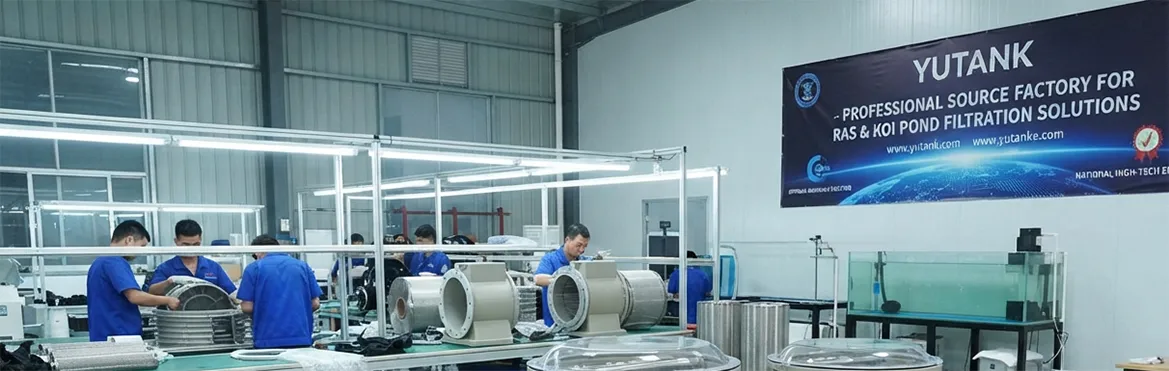
YUTANK (Huizhou Beehive Aquaculture Equipment Co., Ltd.) is a professional source factory manufacturing full-series rotary drum filters specially customized for koi ponds and commercial RAS farms, official websites: http://www.cn.yutank.com
Our drum filters adopt food-grade PP cabinet and 316L stainless steel wedge wire screen with 60–74μm precision mesh, automatically capturing koi manure, leftover feed and algae to avoid water turbidity.
Equipped with sensor-triggered high-pressure backwash structure, the whole unit runs unattended and cuts daily maintenance labor by over 70%.
All models support flow customization from 30m³/h to 300m³/h, matching small garden koi pools, ornamental fish breeding bases and large-scale intensive aquaculture projects.
As a national high-tech enterprise with ISO9001 and multiple core patents, we provide OEM & one-stop RAS solutions including matching PP fish tanks, protein skimmers and intelligent PLC control cabinets.
Our filtration gear has been exported to more than 20 countries, widely recognized by koi breeders and aquaculture investors for stable performance, low energy consumption and zero secondary pollution.
Manufacturer & Source Factory of drum filters for koi ponds
-
- YUTANK Huizhou factory,
- koi pond drum filter manufacturer identity
- RAS aquaculture application
- factory direct supply & export business
.
Key Benefits of Recirculating Aquaculture Systems
From oxygen control to disease defense, these five perks make recirculating aquaculture systems the go-to solution for next-gen fish farming.
Enhanced Fish Growth: The Impact of Optimal Oxygenation
You want fast-growing, healthy fish? Then don’t sleep on optimal oxygenation. It’s the secret sauce behind better yields in aquaculture productivity:
-
- Boosts metabolism by maintaining stable dissolved oxygen levels.
-
- Cuts down stress, which improves overall fish health.
-
- Enhances feed efficiency—yep, your feed conversion ratio gets tighter.
In tightly controlled tanks where every parameter is monitored, pushing up those oxygen levels can mean the difference between sluggish growth and thriving stock. And when you’re working with a closed-loop system like RAS, that control is everything.
Energy Management: Reducing Total Operating Costs
Let’s break it down real quick—energy eats up a massive chunk of your budget in any aquafarm setup. Here’s how smart moves in energy strategy help you save:
-
- Integrate solar panels or wind turbines to tap into renewable energy sources.
-
- Upgrade pumps and aerators to models with high energy efficiency, cutting down on unnecessary load.
-
- Use automation and sensors to monitor system performance and reduce wasteful spikes in power consumption.
The result? A noticeable drop in your total energy bill without compromising water quality or fish welfare. That’s what we call real-time cost reduction, especially when scaling up operations.
Biosecurity Measures: Safeguarding Your Aquaculture Investment
Disease outbreaks? Total nightmare. But proper RAS setups come ready with built-in defenses thanks to rigorous biosecurity protocols, such as:
-
- Quarantine zones that isolate new arrivals
-
- UV filtration systems targeting microbial threats
-
- Scheduled disinfection routines across all equipment
This approach doesn’t just protect your fish—it protects your money too. With strong pathogen control, you’re not just avoiding losses; you’re building a fortress around your business model. That kind of proactive thinking is what keeps modern farms like yutank running smooth year-round.
Investment Costs: Setting Up Recirculating Aquaculture Systems
Getting into recirculating aquaculture systems? Here’s what it really costs to launch and run one smartly.
Initial Setup: Breakdown of RAS Components Costs
Setting up a solid RAS foundation means investing in key parts that make the system tick:
-
- Biofilters and mechanical filters – these purify water and keep fish healthy.
-
- High-efficiency pumps, durable tanks, and reliable aeration units.
-
- Add-ons like UV sterilizers and digital monitoring sensors that prevent disease outbreaks.
Each component plays a role in keeping your closed-loop aquaculture operation humming. Costs can vary depending on system size, but expect to spend anywhere from $30K to $200K just getting your core hardware locked in. Smart planning here saves serious cash later.
Facility Infrastructure: Budgeting for Building Design and Plumbing
You can’t just throw tanks in a shed—your facility needs proper bones:
-
- Start with tailored building design—think insulation, layout flow, and humidity control.
-
- Invest in sturdy concrete flooring with slope-based drainage, built to handle spills.
-
- Integrate robust plumbing systems, ensuring smooth water recirculation across zones.
-
- Don’t forget about air movement—solid ventilation is key to maintaining oxygen levels.
Whether it’s retrofitting an old warehouse or starting fresh on rural land, budget at least 35–50% of your total investment toward infrastructure alone.
Integration Services: Cost Considerations for Installation and Training
Bringing it all together takes more than tools—it takes know-how:
-
- You’ll need skilled labor for precise assembly—especially around biofiltration loops and tank interconnects.
-
- Professional installation labor ensures no leaks or pump misalignments down the line.
-
- Post-installation comes operator onboarding—comprehensive training, system walkthroughs, feeding schedules.
-
- Ongoing support matters too; factor in future access to technical support or consulting during scaling phases.
Expect integration services to cost between 10–20% of your capital outlay—but they’re worth every penny when uptime matters most.
Ongoing Expenses: Maintenance, Power, and Water Quality Management
Here’s where most newbies underestimate the grind—and the bills:
| Expense Category | Monthly Cost Estimate | Annual Cost Range | Notes |
|---|---|---|---|
| Electricity costs | $1,500–$3,000 | $18K–$36K | Depends on pump & lighting |
| Feed & Supplies | $800–$2,000 | $9.6K–$24K | Varies by species |
| Labor Wages | $2,500–$5,000 | $30K–$60K | Skilled operators preferred |
| Water Treatment & Testing (chemical supplies) | $300–$700 | $3.6K–$8.4K | Includes pH buffers & salt |
Keeping your system running smoothly means budgeting monthly—not just upfront.
Exploring Funding Options for Aquaculture Startups
“By Q1 2024,” according to AgriFinance Global’s recent report on sustainable food ventures, “aquaculture startups saw a 28% increase in seed-stage funding compared to prior years.”
Looking to fund your new-age fish farm? Here are some real-world options:
-
- Banks offer targeted small-business loans tailored toward ag-tech projects.
-
- Apply for federal or regional programs offering aquaculture-focused government grants.
-
- Pitch investors via platforms focused on green tech; many are hungry for scalable protein alternatives.
-
- Explore crowdfunding if you’ve got a compelling pitch video (and maybe some cute fish).
If you’re serious about building out a competitive edge with advanced recirculating aquaculture systems technology—brands like yutank have been helping first-time operators bridge tech gaps while staying within budget constraints.
Data Insights: Profit Margins In Aquaculture Systems
A peek into how smart fish farming—especially with recirculating aquaculture systems—is racking up profits and cutting waste like never before.
Analyzing Revenue Streams: Market Demand for RAS Products
-
- Market Growth in the seafood sector is being driven by eco-conscious consumers, especially in urban areas where sustainability matters more than ever.
-
- Sales Volume of land-based salmon, tilapia, and shrimp from RAS facilities jumped over 22% globally between 2022 and early 2024.
-
- A recent McKinsey report (2024) noted that “consumer preferences are shifting rapidly toward traceable, antibiotic-free fish,” which gives RAS products a serious edge.
-
- Diversifying product offerings—like live fish delivery or premium cuts—can boost margins by tapping into niche buyers.
-
- Yutank has positioned itself smartly here, offering scalable solutions that meet rising demand while keeping quality top-tier.
Cost-Benefit Analysis: Calculating Profitability of RAS
| Category | Initial Cost (USD) | Annual OPEX (USD) | ROI Period (Years) |
|---|---|---|---|
| Small-scale Facility | $250,000 | $60,000 | 5.2 |
| Mid-size Commercial | $1.2 million | $180,000 | 4.3 |
| Large Industrial Setup | $3 million | $450,000 | 3.7 |
-
- Capital Expenditure (CAPEX) is high upfront but pays off faster with scale.
-
- Smart use of automation reduces long-term Operational Expenditure (OPEX).
-
- Break-even points usually hit within five years if market prices hold steady.
-
- Financial modeling shows that profit margins can exceed those of traditional pond systems when energy efficiency is optimized.
-
- Every dollar saved on water reuse or feed optimization boosts overall profitability significantly.
The Impact of Automation on Operational Efficiency
-
- Slashing manual labor needs through AI-driven feeders and sensors cuts down on recurring costs fast.
-
- Automated system monitoring keeps water quality stable without constant human oversight—boosting fish health and yield.
-
- With smarter controls comes better scalability; you can grow your farm without growing your payroll.
Short bursts of automation also reduce energy waste by fine-tuning oxygen levels only when needed—not all day long like old-school setups did. That’s both green and cost-effective.
In short? Less grunt work + smarter systems = better margins across the board in modern indoor tanks using automation technology.
Comparative Benchmarking: RAS vs. Traditional Aquaculture Profit Margins
Grouped comparison:
▸ Production Costs
-
- Traditional ponds face higher water usage bills and disease-related losses.
-
- RAS setups control variables tightly—lower mortality means more sellable fish.
▸ Environmental Impact
-
- Recirculating aquaculture systems recycle over 90% of their water.
-
- Conventional methods often discharge untreated effluent into ecosystems.
▸ RAS Profitability
-
- Per kilo net margin for salmon in advanced RAS farms can reach up to $2 higher than cage farming equivalents.
-
- Reduced dependence on antibiotics adds value in premium markets.
▸ Sustainability & Market Share
-
- As climate stress hits coastal farms harder each year, inland tank-based operations are gaining ground fast.
-
- Consumers increasingly back brands that align with eco-values—giving RAS operators a branding advantage too.
This isn’t just about being clean and green—it’s about making real money while doing it right with recirculating aquaculture systems at the core.
FAQs about Recirculating Aquaculture Systems
What core components bring a RAS facility to life?
-
- Biofilter & Mechanical filter – break down waste and capture solids.
-
- UV sterilizer & Ozone generation units – step in like silent guardians against pathogens.
-
- Oxygenation system & Degassing unit – give water the breath of life while stripping harmful gases.
-
- Pumps & Fish tanks – keep everything moving, from soft ripples to surging flows.
How can careful water management shape success?
Think of it as tending an intricate garden:
-
- Nitrogen removal keeps toxic buildup at bay.
-
- pH control and alkalinity adjustment nurture a stable home for fish gills and fins.
-
- Disinfection with ozone or UV ensures incoming waters greet stock cleanly, without invisible predators lurking within.
Which automation tools act as the eyes and hands of operators?
In high-production halls, machines listen to the pulse of water:
★ Water quality sensors feed PLCs that speak through SCADA dashboards — every reading visible on screens near or far.
★ Automated feeders drop precisely timed meals; no flurry nor starvation among shoals.
★ Remote monitoring paired with urgent alarm systems means even midnight shifts are never truly alone.
Why does building design influence day-to-day ease?
A well-planned space walks hand-in-hand with operation flow:
| Infrastructure Element | Human Impact |
|---|---|
| Plumbing & Electrical systems | Reduce daily strain by keeping maintenance short-circuits rare |
| HVAC systems | Comfort crews during long harvest hours |
| Backup power generators | Prevent tense scrambling when storms roll in |
| Waste management facilities | Contain mess before it spreads chaos |
Can biosecurity be felt beyond science charts?
Like locking doors on a stormy night:
-
- Quarantine protocols shield healthy stocks from unwelcome guests.
-
- Disease prevention strategies tighten guardrails around growth cycles.
-
- Mortality disposal systems lift burdens silently so spirits stay focused on thriving populations.
Which energy choices soothe budgets yet keep currents strong?
Variable frequency drives hum softly as they adapt pump speeds; heat recovery warms incoming flows without straining heaters; renewable energy integrations let sunlight or wind shoulder part of the load—each choice a quiet ally against steady utility meters ticking away profits.